

Negotiation Under Pressure: Why Self-Regulation Matters More Than Skills
It has been a while that I have been wanting to write about conflict management and negotiation. And after a coaching session I had with a client last week, I felt encouraged to finally put my thoughts into words.
Horizontal vs Vertical Development
In leadership development we often distinguish between horizontal development, which is building skills, models, and techniques, and vertical development, which is deepening our capacity for self-regulation, perspective-taking, and presence under pressure.
Both are essential. But in moments of high emotion — when the stakes are high, when the boardroom gets heated, or when an auditor or vendor puts you on the spot — vertical development is the anchor. Without it, even the most sophisticated negotiation skills can slip away.
The Coaching Session
A senior technology executive I coach came to our session deregulated and frustrated. He had a critical conversation just an hour later.
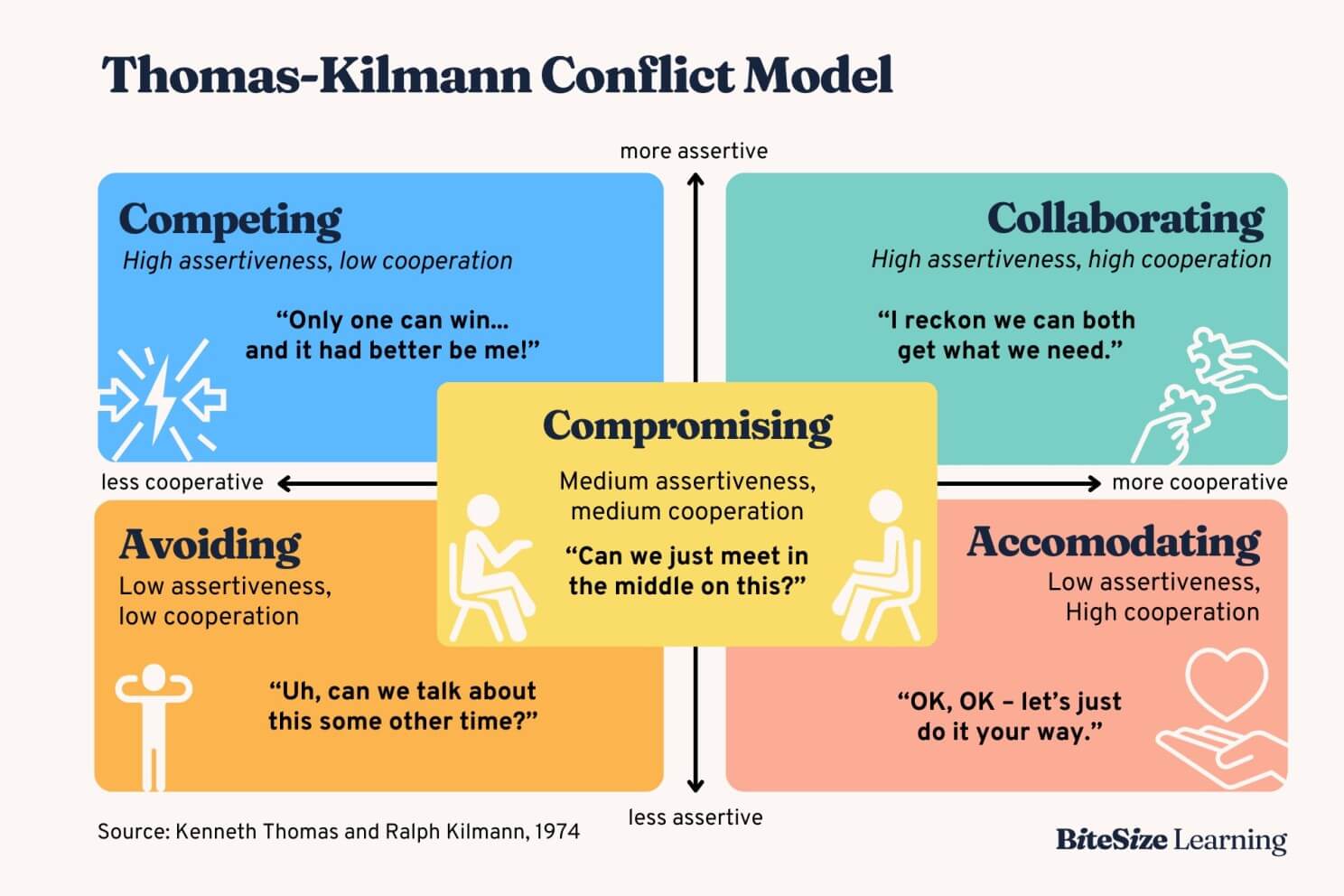
He already knew the frameworks such as the Thomas-Kilmann Conflict Model, which outlines five conflict management styles: competing, collaborating, compromising, avoiding, and accommodating. These styles are useful lenses, but in the heat of the moment it is easy to default to defensive or oppositional behaviours.
Finally, we addressed the mindset of us versus them. Instead of approaching the conversation as two sides in opposition, he reframed it: “We may have different roles, but we share the same goal — to help the organisation succeed.” That reframe created common ground and set a collaborative tone.
We closed the session with a short mindfulness practice to help him self-regulate, calm his nervous system, and enter the room present and intentional.
The Outcome
Later that day he called me and said, “It went well.”
The shift was not about learning a new model. It was about anchoring in self-regulation, choosing constructive styles, and reframing the conversation around shared goals.
The Three Phases of Negotiation
1. Preparing for a negotiation
Preparation is more than gathering data or drafting your position. It is about regulating yourself, clarifying your intention, and deciding how you want to show up. It also means reflecting on the desired outcome of the conversation. If you are not clear on what good looks like, whether that is agreement, deeper understanding, or simply building trust, it is easy to get pulled into side arguments and lose direction.
This is also the stage to think about currencies, the items of value that can be traded between parties.
For CIOs and CTOs, common currenciesoften include
• Time to market, for example bringing delivery forward by weeks or months
• Risk reduction, through stronger compliance, security, or resilience
• Innovation opportunities, such as access to pilots, new tools, or future scalability
• Recognition and influence, such as visibility with the board or acknowledgement of contribution
2. Conducting a negotiation
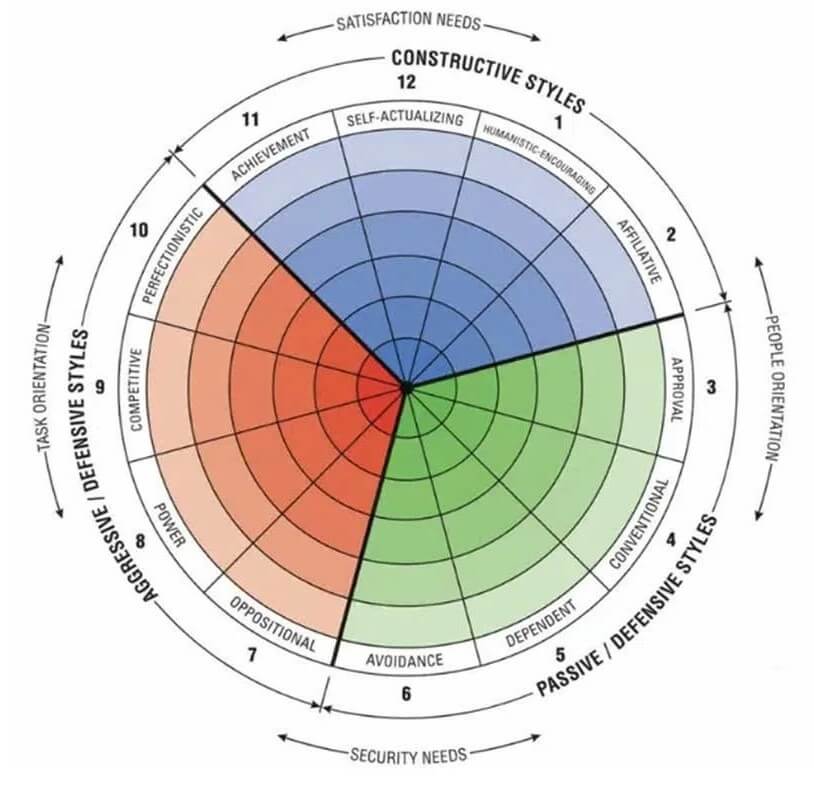
In the room, success depends on presence. Constructive styles from the Human Synergistics Life Styles Inventory (LSI) circumplex, particularly affiliative which builds ease and cooperation and achievement which drives initiative and future focus, allow leaders to stay connected and outcome oriented.
Diffusing the “us versus them” mindset and beginning with areas of agreement create a collaborative tone, even when difficult issues must be addressed. Small details also matter. Even something as simple as seating arrangements can influence the dynamic. Sitting opposite can reinforce opposition, while sitting side by side signals collaboration and shared purpose.
3. Following up on a negotiation
Follow up is often overlooked, yet it is where trust is either built or broken. Closing the loop, documenting agreements, and demonstrating commitment to next steps reinforces collaboration and reduces the likelihood of conflict re-emerging. For CIOs, it is also what builds credibility with the board and executive peers.
Culture and Conflict
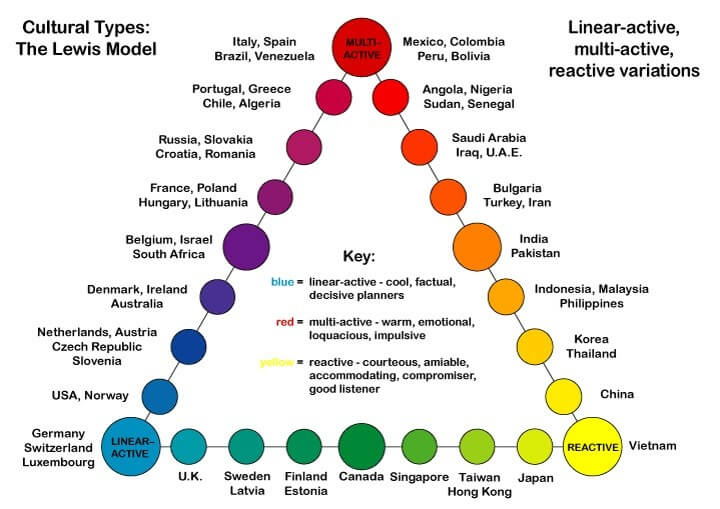
It is also important to acknowledge that negotiation and conflict behaviours are shaped by culture. The Lewis Model of Cultural Types reminds us that different cultures bring different approaches to conflict and communication.
- Linear-active cultures tend to be task oriented, factual, and structured
- Multi-active cultures are more emotional, loquacious, and relationship driven
- Reactive cultures are courteous, accommodating, and focused on listening before responding
These models are guidelines, not rules. Every individual is unique, and it is important to approach each situation case by case. Use the models as a way of broadening awareness, not as labels.
For CIOs working with global vendors, distributed teams, or offshore delivery centres, this awareness can prevent misunderstandings and help identify shared ground more quickly.
A CIO’s Checklist for Negotiation Under Pressure
- Anchor in the models. The Thomas-Kilmann conflict styles, negotiation strategies, and the Lewis Model provide useful roadmaps.
- Grow vertically. Self-regulation, perspective-taking, and presence enable you to use those models effectively under pressure.
- Use the LSI lens. Constructive styles like affiliative and achievement offer practical ways to show up at your best.
- Identify currencies. Time-to-market, risk reduction, innovation runway, and board recognition often carry more weight than money alone.
- Find common ground. Begin with what you agree on before exploring differences.
- Reframe roles and goals. Acknowledge different responsibilities, but highlight shared purpose.
- Practise presence. Mindfulness or even a simple pause can shift your state before entering the room.
- Respect the three phases. Prepare with intention, conduct with presence, and follow up with clarity.
- Pay attention to the room. Even seating arrangements can influence tone — opposition or collaboration.
- Define your outcome. Before entering, be clear on what success looks like.
Closing
Difficult conversations are inevitable in technology leadership. CIOs and CTOs know the frameworks. The difference lies not only in what they know but in how they show up under pressure.
That is the shift from horizontal to vertical development. From having skills to having the capacity to use them when it matters most.
👉 Next time you prepare for a difficult conversation, ask yourself: what is our common ground, which currencies matter most, and how do I want to show up?
📬 If you are a technology leader preparing for high-stakes conversations and would value a trusted coach to help you strengthen your self-regulation, presence and influence, I would be glad to start a conversation. You can message me here on LinkedIn or book a time directly in my calendar: calendly.com/mindful-cio











Leave a Reply