

Emotional Intelligence for CIOs: Leading Humanly in the Age of AI
AI is transforming business. But leadership is still human work. Emotional intelligence, ethical decision making, and communication skills are what set great CIOs apart.
Technology has always been about acceleration, faster processing, faster connections, faster change. But the velocity of artificial intelligence has introduced a new kind of challenge for CIOs: how to remain deeply human while stewarding organisations into an increasingly digital future.
At The Mindful CIO, we believe that technology leaders are being called to a higher standard of leadership. Not just to manage systems, but to shape cultures. Not just to implement tools, but to embody trust, inclusivity and foresight. This is why emotional intelligence is not a “soft skill” for CIOs, it is the defining leadership capability of our age.
Why Emotional Intelligence Matters Now
The Genos model of emotionally intelligent leadership gives us a practical lens for understanding EI at work. It highlights six capabilities that help leaders connect, communicate and collaborate more effectively. For CIOs, these are more than competencies, they are the levers of influence that shape organisational culture.
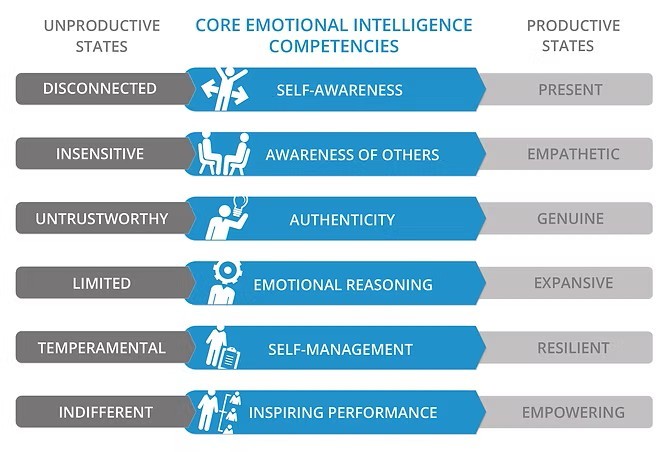
Self awareness goes beyond noticing emotions. It requires challenging our own assumptions, what Harvard professor Chris Argyris described in the “ladder of inference,” to ensure we are not reacting from bias or half truths. CIOs who cultivate this discipline avoid blind spots and bring clarity into complex decisions.
Awareness of others is about empathy, but also about perceiving subtle cues, listening deeply, and validating the experiences of diverse teams. This fosters inclusivity and psychological safety, the soil in which innovation grows.
Authenticity is not about bluntly saying whatever comes to mind. Nor is it about suppressing your views to keep the peace. Authentic leaders practise assertiveness. They are not passive and avoiding conflict, nor aggressive and reverting to command and control, but open, courageous, and constructive.
Emotional reasoning means treating emotions as information in decision making. Emotions reveal what matters most to people, whether they will commit, resist, or disengage. Ignoring this information risks decisions that look sound on paper but fail in execution. Integrating it secures buy in, accelerates adoption, and ensures alignment.
Self management is about building our toolkit of self regulation strategies. CIOs face unrelenting pressure, the difference lies in how they reset and recharge. Rituals of self care, whether through exercise, journaling, mindfulness, or even micro routines to pause and reframe, help leaders defrag their minds and show up at their best.
Positive influence is the ultimate multiplier. It creates environments where people feel recognised, supported and motivated. For CIOs, this is how you retain talent, inspire loyalty, and unlock discretionary effort, the extra energy people choose to give when they feel valued.
Emotional Intelligence as a Strategic Advantage
CIOs are trusted with leading digital transformation, managing cyber risk, and driving AI adoption. Yet without emotional intelligence, even the most sophisticated systems will fail to take root. The risk is not just slower performance, it is non adoption. If teams do not feel heard, included, or respected, new platforms become unused shelfware.
EI is therefore not a luxury. It is the difference between transformation that sticks and transformation that stalls. A CIO with strong EI creates psychological safety so people can question assumptions, flag risks, and contribute ideas without fear. They use emotional reasoning to anticipate reactions and remove barriers. They apply authenticity and positive influence to foster trust and long term commitment.
The Great News: EI Can Be Developed
Unlike IQ, which is relatively fixed, emotional intelligence can be strengthened over time. This is the great news for CIOs and technology leaders, you can grow these skills through awareness, feedback, and practice.
The Genos framework, supported by a 360 degree assessment, provides a clear roadmap. By capturing feedback from peers, direct reports and senior leaders, it highlights where your strengths already shine and where there are gaps. From there, we can work together to close those gaps deliberately, practically, and with measurable results.
A Call to Tech Leaders
Ask yourself:
- Am I challenging my own assumptions and noticing how emotions shape my leadership
- Do people around me feel valued, listened to and understood
- Am I assertive and authentic, without slipping into artificial harmony or command and control
- Do I treat emotions as information in decision making, ensuring adoption and buy in
- Am I creating an environment where people are engaged, loyal and willing to give their best
AI may transform the mechanics of business. But leadership will always be a human act. Emotional intelligence is how CIOs create organisations that are not only digitally advanced but also ethically grounded, inclusive, and sustainable.
And that, more than any tool or technology, is the legacy of a mindful CIO.
If this resonates and you are curious about how emotional intelligence could strengthen your leadership, I would love to connect. Message me here on LinkedIn or book a time directly in my calendar: https://calendly.com/mindful-cio/











Leave a Reply